Built after a weekend of chargebacks
We didn't set out to build a fraud company. We ran into the same problem that most digital-finance operators run into: a rule engine that was too blunt, a review queue that was too long, and chargeback numbers that weren't going down. So we built something better.
The problem was in the tooling, not the data
Maeve was running fraud operations at a digital payments company when a new card-testing campaign ran through the entire weekend before the velocity rules were updated. By the time the thresholds were adjusted, the attackers had already moved on. The damage was done.
The insight was straightforward: the transaction data already contained the behavioral signal. The accounts involved had consistent patterns. The deviation was there. The rule engine just wasn't asking the right questions.
Marcus had spent years at payments infrastructure companies building systems that processed millions of events per day. He knew the data plumbing side of the problem. Priya had worked on anomaly detection in time-series data at a high-frequency environment. The three of us started building Birdai in early 2023.
The people building Birdai
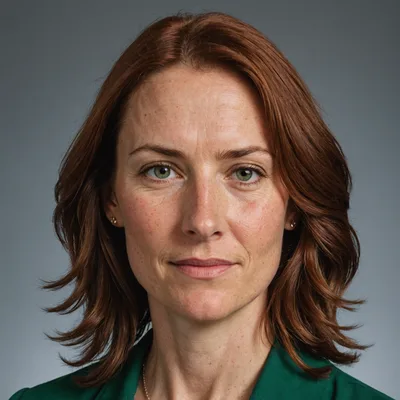
Maeve Donovan
CEO and Co-Founder
Spent years in fraud risk operations and payment systems, running review queues and tuning rule engines at digital payment companies. Built the first Birdai prototype after a launch-weekend chargeback spike exposed the limits of threshold-based scoring.
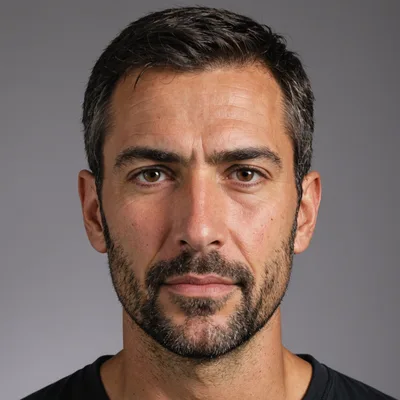
Marcus Webb
CTO and Co-Founder
Spent years building transaction monitoring and event-stream processing systems at payments infrastructure companies. Designed the core scoring pipeline and the data ingestion layer that makes sub-80ms latency possible at production load.

Priya Anand
Head of Machine Learning
Focused on anomaly detection, time-series classification, and model calibration for high-frequency financial signal environments. Responsible for the signal weighting methodology and the calibration process we run with each new platform during onboarding.
Operating principles
Scores should explain themselves
A score that returns a number and nothing else is not a tool for a fraud analyst, it is a black box. Every Birdai score includes a signal breakdown and the top contributing factors so your team can act on it without guesswork.
Fewer false declines is a product win, not just a metric
Every legitimate customer declined is a transaction that cost real acquisition budget. Reducing false-positive rates is not a secondary concern. It is directly tied to revenue retention and it should be treated as a product objective, not a side effect.
Small team, one focus
We are not trying to be a fraud platform with 40 features. We are building a behavioral scoring API for digital-finance operators and doing only that. One problem, understood thoroughly, at production load.
Want to work with us? We are hiring.
We are looking for engineers and ML researchers who care deeply about production reliability and financial crime detection. Reach out directly.